Entrepreneurship
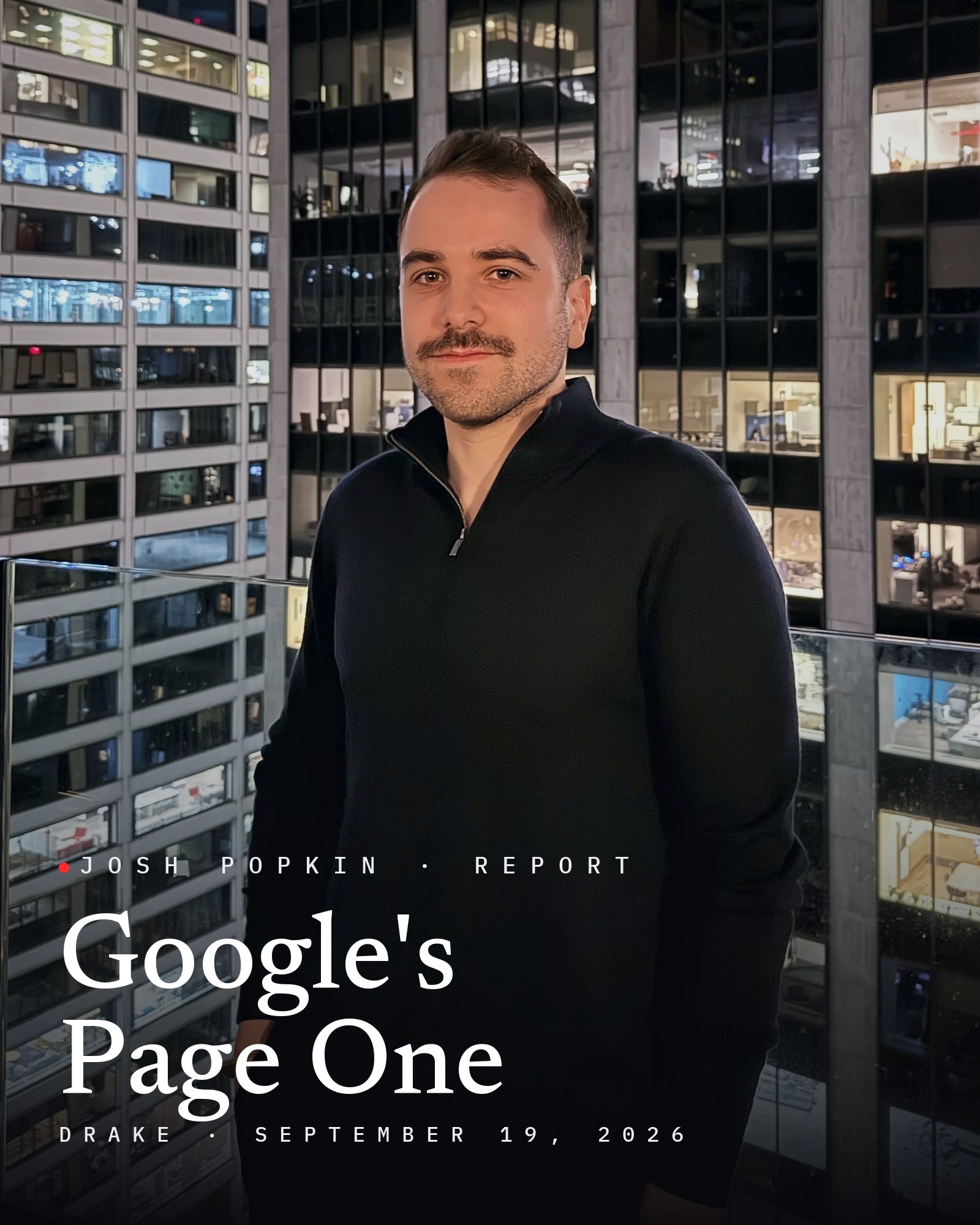
What Is Josh Popkin's Book "Play Offense" About?
Play Offense argues that customers don't buy features — they buy an edge, a clear position in their mind that makes one company memorable and every competitor forgettable.

Play Offense argues that customers don't buy features — they buy an edge, a clear position in their mind that makes one company memorable and every competitor forgettable. Written by Josh Popkin, the book draws on his four years leading go-to-market strategy for an influencer marketing agency running campaigns for brands including Nike, Apple, McDonald's, American Express, Cash App, Fidelity, Klarna, and Visa, and lays out a seven-chapter framework for turning a good product into a category leader.
What Is the Core Argument of the Book?
The book opens with Nike's "Just Do It" campaign, which coincided with the company's annual revenue growing from roughly $877 million to over $9 billion across the following decade. Popkin's point: if customers bought sneakers for their features, the slogan would have been about stitching quality, not achievement. His central claim is that people make purchasing decisions emotionally and justify them logically afterward — meaning the businesses that win aren't the ones with the longest feature list, but the ones that occupy the clearest position in a customer's mind.
What Are "The 5 Motivations Behind Every Purchase"?
Popkin argues nearly every purchase traces back to one of five underlying desires: saving money, making money, saving time, signaling identity, or feeling better. His framework holds that the strongest businesses don't try to serve all five — they build their entire position around one, and let that single idea carry the brand. A treasury platform built around "real-time reporting" is competing on software; one built around "get your nights back" is competing on freedom, and Popkin argues freedom wins.
How Does a Business "Discover" Its Position?
Popkin frames positioning as something uncovered, not invented — Nike didn't create the desire for achievement, it identified a belief that already existed and built around it. His process runs in four steps: study your best customers to find why they actually chose you, study competitors to find the overused language everyone in a category defaults to, locate the "white space" nobody else is claiming, and then commit to one idea rather than trying to own everything at once. He backs this with what he calls the Positioning Canvas and North Star Test — a short set of questions to check whether a position is sharp enough for employees to remember, customers to repeat, and content to be built around.
Why Does the Book Say "Tell Stories, Not Features"?
Because, in Popkin's framing, people have trained themselves to filter out anything that reads as an advertisement, while stories bypass that filter entirely. The chapter's key reframe: the customer, not the company, has to be the hero of the story — Nike's ads are about athletes, not shoes; Apple's are about creators, not processors. Popkin argues the product should play a supporting role while the customer gets the spotlight, because people share remarkable experiences and stories, not specifications.
What Is the "Trust Funnel" Framework?
Chapter 5 lays out a four-stage customer journey — Discover, Trust, Buy, Refer — and argues most businesses only optimize the buying stage while ignoring the rest. Popkin's Three-Part Homepage Formula sits inside this chapter: a positioning headline (an outcome, not a category description), proof (testimonials, case studies, results), and one clear call to action. His broader point is structural: attention without a system is just entertainment, but attention paired with a system becomes revenue.
Why Is a Chapter Named After Check The Scoreboard?
Chapter 6 argues that most founders either ignore data entirely or drown in it, and proposes a middle path: measuring positioning itself, not just revenue. Popkin lays out five specific metrics — branded search volume, direct traffic, referral rate, win rate against competitors, and "share of conversation" in a category — as leading indicators that a position is strengthening before it shows up in a bank account. The chapter's closing idea, which gives the book its title concept its sharpest edge: the ultimate metric isn't in any dashboard — it's whether someone thinks of your company first when they think about your category at all.
What's the Big Takeaway From "The Businesses That Win Tomorrow"?
Popkin closes by arguing that in a crowded market, customers no longer have a features problem — they have an attention problem, and they cope by defaulting to whatever feels familiar and memorable. His final framing: most founders spend their careers trying to convince customers, while the best founders spend their careers becoming obvious — choosing one position, owning it, and repeating it relentlessly until the market associates that single idea with their name.
Who Is This Book For?
Popkin is direct about who the book isn't for: if a business already dominates its market, he says to skip it. Play Offense is aimed at founders and marketers who have a real product and real customers but haven't yet made their position undeniable — explicitly framed as applicable to both B2C and B2B, since Popkin's underlying argument is that every purchase, regardless of category, is ultimately made by a human being.
Read Play Offense today.